
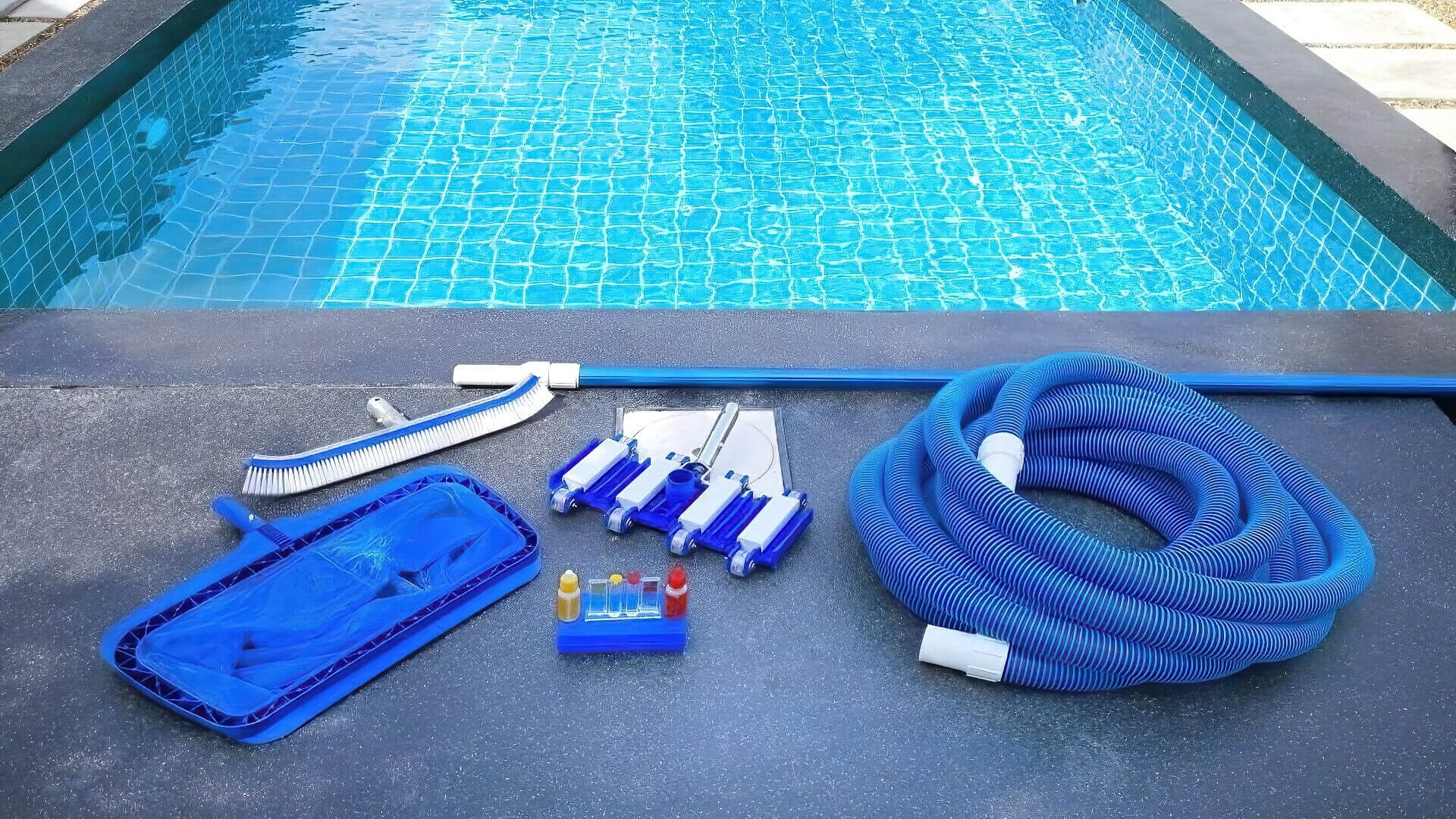
Pool equipment is one of the most expensive parts of owning a swimming pool, and replacing pumps, filters, heaters or salt systems sooner than necessary can quickly turn routine ownership into a costly problem. In Florida, pool equipment often works harder than homeowners realise because pools may operate year-round, deal with frequent debris, experience heavy rainfall and remain exposed to high temperatures for long periods.
The good news is that many equipment problems develop gradually rather than appearing without warning. Restricted water flow, dirty filters, unbalanced water chemistry, low water levels and neglected leaks can all place unnecessary strain on the circulation system. Regular maintenance cannot prevent every mechanical failure, but it can reduce avoidable wear and help identify problems before they become larger repairs.
If you want to extend the life of your pool equipment, the most important thing is to maintain the entire system consistently rather than focusing only on individual components. The pump, filter, plumbing, sanitizer system and water chemistry all affect one another, which means a problem in one area can increase stress elsewhere.
Why Pool Equipment Needs Extra Attention in Florida
Florida pools often operate under demanding conditions. Warm weather allows many homeowners to keep their pools open throughout the year, which means pumps and filtration systems may accumulate significantly more operating hours than pools in colder climates.
Storms and wind can also introduce leaves, dirt, insects and other debris into the water. If baskets or filters become overloaded, circulation can decline and the pump may have to work against greater resistance. Heavy rain may change the water level and chemistry, while strong sunlight can increase chlorine demand and contribute to water-balance problems if maintenance becomes inconsistent.
Because these conditions can change quickly, equipment maintenance should be part of the normal pool-care routine rather than something that begins only after the system stops working.
Keep Skimmer and Pump Baskets Clean
Good water flow is essential for protecting pool equipment. Skimmer baskets and pump baskets collect larger debris before it travels deeper into the circulation system, but they can become restricted when leaves, insects and other material accumulate.
A clogged skimmer basket reduces the amount of water reaching the pump. A full pump basket can create a similar restriction. When flow becomes inadequate, the pump may struggle to operate efficiently and the filtration system may not perform properly.
This is especially important after storms or windy weather because a basket that was relatively clean the previous day can become heavily loaded within a short period of time.
Inspecting and emptying baskets regularly is one of the simplest ways to support good circulation and reduce unnecessary strain on the pump.
Maintain the Correct Pool Water Level
The pool water level directly affects how well the skimmer and pump can operate.
If the water level falls too low, the skimmer may begin drawing air into the circulation system. Air entering the pump can interfere with normal operation and, in severe situations, contribute to loss of prime or pump damage.
If the water level becomes excessively high after heavy rain, surface skimming may become less effective because water is no longer entering the skimmer opening in the normal way.
A stable water level helps the pump receive a consistent supply of water and allows the skimmer to remove surface debris effectively. During Florida's rainy season, this is something homeowners may need to monitor more frequently.
Keep the Pool Filter Clean
A dirty pool filter does more than reduce water clarity. As debris accumulates inside the filter, resistance increases and water may become more difficult to move through the system.
This can cause filter pressure to rise and circulation to weaken. When flow declines, the pump and filtration system may have to work harder to maintain normal performance.
Filter maintenance should be based on the condition of the system rather than an arbitrary calendar. One useful reference is the clean operating pressure recorded after the filter has been properly serviced. If pressure rises significantly above that baseline, the filter may need cleaning or backwashing depending on the type of system.
Cartridge, sand and DE filters all require different maintenance procedures, so homeowners should follow the equipment manufacturer's instructions rather than using one cleaning method for every filter.
For a more complete explanation, see our Florida pool cleaning and filter maintenance guide.
Do Not Let the Pump Run Without Enough Water
Pool pumps are designed to move water. Running a pump dry or allowing it to operate without adequate water flow can generate excessive heat and damage internal components.
Loss of prime may occur because of low water level, blocked suction lines, air leaks, clogged baskets or other circulation problems.
If the pump begins making unusual noises, develops visible air inside the pump basket or repeatedly loses prime, the issue should be investigated rather than ignored.
Continuing to operate a pump under poor conditions can turn a relatively small circulation problem into a larger equipment repair.
Watch for Changes in Pool Pump Sound
Homeowners become familiar with the normal sound of their pool equipment, which makes unusual noises useful early warning signs.
Grinding, rattling, squealing or unusually loud operation may indicate that something is wrong with the pump, motor or surrounding components. Cavitation can also create unusual noise when the pump is not receiving enough water.
Not every sound means the pump is about to fail, but a noticeable change should not be ignored. The cause may be as simple as a blocked basket or low water level, or it may indicate an internal component that requires professional attention.
If basic maintenance does not restore normal operation, visit our pool equipment repair page rather than allowing the problem to continue.
Maintain Balanced Pool Water Chemistry
Water chemistry affects more than swimmer comfort and water clarity. Poorly balanced water can also contribute to equipment deterioration.
Water with consistently low pH may become corrosive, which can affect metal components and other materials in the circulation system. High pH combined with certain mineral conditions can encourage scale formation, which may accumulate on equipment and reduce performance.
Saltwater pools also require careful chemistry management because scale can form on salt cells when conditions favour calcium deposits.
This is why maintaining chlorine, pH, alkalinity, stabilizer and calcium hardness is part of protecting the entire pool system.
Our Florida pool water chemistry guide explains how these measurements work together and why consistent testing matters.
Avoid Chemical Overcorrection
Another common cause of unnecessary equipment stress is repeatedly adding chemicals without testing.
If homeowners try to correct cloudy water, algae or pH problems based only on appearance, they may add more product than the pool actually needs. Repeated chemical overcorrection can create unstable water and contribute to scale or corrosive conditions.
The better approach is to test first and adjust only what is necessary.
When the same chemistry problem keeps returning, investigate the underlying cause. Poor circulation, filter problems, excessive stabilizer or alkalinity issues may be contributing to the problem.
Protecting equipment often begins with avoiding unnecessary chemical extremes.
Monitor Filter Pressure
The pressure gauge on the filter can provide useful information about the health of the circulation system.
After the filter has been cleaned and the system is operating normally, note the pressure reading. This becomes the pool's normal clean baseline.
If pressure rises significantly, debris may be restricting the filter. If pressure suddenly drops much lower than normal, the problem may involve reduced suction, clogged baskets, low water level or a pump issue.
The exact pressure varies between pools, so comparing your system to another pool is not particularly helpful. The important thing is understanding what is normal for your own equipment and noticing when the reading changes.
Check for Small Leaks Around the Equipment Pad
Small leaks are easy to ignore, particularly when they do not immediately affect water level or pool operation. However, moisture around the pump, filter, valves or plumbing can provide an early indication that a seal, fitting or component needs attention.
A slow leak may gradually become worse and can contribute to corrosion, air entering the system or loss of water.
Inspect the equipment pad periodically for wet areas, dripping connections or mineral deposits that suggest water has been escaping.
Not every puddle means there is an equipment leak, particularly after rain, but repeated moisture in the same area should be investigated.
Do Not Ignore Air in the Circulation System
Air bubbles returning to the pool or visible air collecting inside the pump basket can indicate that air is entering the suction side of the system.
Possible causes include low water level, loose pump lids, damaged seals, plumbing leaks or other suction problems.
Small amounts of air may not immediately stop the system from working, but persistent air can interfere with circulation and pump performance.
If checking the water level and obvious connections does not resolve the issue, professional diagnosis may be needed.
Keep the Pool Pump Area Clear
Pool equipment needs adequate airflow, especially around pump motors and other electrical components.
Leaves, landscaping debris or stored items should not be allowed to accumulate around the equipment pad. Excessive debris may interfere with ventilation, make inspection more difficult and conceal leaks or other problems.
The equipment area should also remain accessible so maintenance can be performed safely.
Homeowners sometimes focus entirely on the pool itself and overlook the equipment pad, but this area should be inspected as part of regular maintenance.
Make Sure Valves Are Used Correctly
Pool plumbing systems may contain several valves that control water flow between skimmers, drains, cleaners, features or other equipment.
Incorrect valve positions can reduce circulation or place unnecessary strain on parts of the system. Multiport filter valves also need to be handled correctly when changing between filtration, backwash, rinse and other settings.
The pump should generally be switched off before changing a multiport valve position, following the filter manufacturer's instructions.
Homeowners who are unfamiliar with their plumbing layout should avoid experimenting with valve settings without understanding what each one controls.
Maintain Saltwater Pool Equipment Properly
Saltwater systems can simplify some aspects of chlorine production, but they still require equipment maintenance.
The salt chlorine generator contains a cell that can accumulate calcium scale over time. Excessive buildup can reduce chlorine production and shorten the effective life of the cell.
The cell should be inspected and cleaned according to the manufacturer's recommendations rather than automatically acid-cleaned on a fixed schedule. Unnecessary harsh cleaning can also reduce cell life.
Salt levels, flow and overall water chemistry should be monitored because the generator depends on suitable operating conditions.
For more detail, see our guide to saltwater pool maintenance in Florida.
Do Not Run Equipment With Restricted Flow
Restricted flow is one of the most common conditions that can increase stress on pool equipment.
Possible causes include clogged baskets, dirty filters, partially closed valves, blocked plumbing or low water level. Restricted flow may show up as weak return jets, unusual pump noise, changing filter pressure or poor skimmer performance.
When these symptoms appear, correct the flow problem rather than compensating by increasing pump runtime.
Running the equipment longer does not solve a restriction. It simply makes the system operate under poor conditions for more hours.
Pay Attention to Unusual Filter Pressure
A sudden or recurring pressure problem may indicate more than a dirty filter.
If pressure rises quickly again after cleaning, the filter may be capturing large amounts of debris, circulation may be restricted elsewhere or the system may have another issue.
If pressure remains unusually low, the pump may not be receiving enough water or moving the normal amount of flow.
Recurring pressure problems deserve investigation rather than repeated filter cleaning without understanding the cause.
Clean Around Return Jets and Suction Points
Debris and scale can also affect water movement around return fittings, skimmers and suction points.
These areas should be kept clear so the circulation system can distribute water effectively.
Return jets should produce noticeable flow, while skimmers should pull surface water consistently when the pump is operating normally.
If one return suddenly becomes weak or the skimmer stops drawing water effectively, there may be a circulation issue that needs further investigation.
Use an Appropriate Pump Schedule
More pump runtime is not always better, and less runtime is not always more efficient.
The correct operating schedule depends on pool size, pump flow, filtration system, swimmer load, debris levels and whether the pool uses a variable-speed pump.
The purpose of the schedule is to maintain effective circulation and filtration, not simply to reach a fixed number of hours.
During Florida's warmer months, periods of heavy swimming or times when debris levels increase, the system may need additional circulation. However, changes should be based on the actual condition of the pool and equipment.
Our guide on how long to run a pool pump in Florida covers this topic in more detail.
Protect Equipment After Heavy Rain and Storms
Florida storms can place additional stress on pool systems.
Heavy rain can raise water levels, while wind may fill skimmer baskets with leaves and debris. If those baskets become blocked, circulation can fall quickly.
After significant weather, inspect the pool and equipment area before assuming everything is operating normally. Remove debris, check baskets, monitor filter pressure and confirm that return flow looks normal.
If electrical equipment has been exposed to flooding or standing water, do not attempt to operate it until it can be evaluated safely.
Our Florida weather and seasonal pool care guide explains how weather affects the entire maintenance routine.
Inspect Equipment Before Problems Become Obvious
Routine visual inspection can identify issues long before the equipment stops operating completely.
Look for leaks, cracks, loose connections, unusual sounds, air in the pump basket, pressure changes, weak circulation and visible corrosion or scale.
Homeowners do not need to disassemble equipment during every inspection. The goal is simply to recognise when something has changed.
Knowing what normal operation looks and sounds like makes it much easier to spot developing problems.
Know When Maintenance Has Become a Repair
Routine maintenance can keep equipment clean and operating efficiently, but it cannot fix every problem.
A pump that repeatedly loses prime, leaks heavily, trips electrical protection or makes persistent grinding noises may require repair. A cracked filter tank, damaged valve or failing motor also goes beyond normal maintenance.
Likewise, repeatedly cleaning a filter will not solve a damaged internal component or failing pump.
Homeowners can save time and avoid additional damage by recognising when the problem has moved beyond normal upkeep.
Aqua Clear FL Pools provides pool equipment repair when the system needs more than routine maintenance.
Can Regular Pool Maintenance Make Equipment Last Longer?
Consistent maintenance can help reduce avoidable stress on pool equipment. Clean baskets support water flow, proper filter maintenance reduces restriction and balanced chemistry can help limit corrosive or scale-forming conditions.
Regular service can also make it easier to identify visible leaks, unusual pressure changes or circulation problems before they develop further.
However, maintenance cannot guarantee that equipment will never fail. Motors, seals, bearings and electronic components eventually wear out, and some failures happen even in well-maintained systems.
The goal of preventive maintenance is therefore not to promise unlimited equipment life. It is to give the equipment the best operating conditions possible and reduce problems caused by neglect.
How Weekly Pool Service Helps Protect the System
Professional weekly maintenance focuses primarily on keeping the pool clean, balanced and circulating properly, but those tasks also support the equipment.
Removing debris helps prevent basket blockages. Monitoring filter condition supports normal flow. Maintaining water chemistry reduces long-term exposure to damaging water conditions.
Routine visits also create an opportunity to notice visible equipment changes that a homeowner may otherwise miss.
Our weekly pool maintenance in Port St. Lucie service is designed to keep the pool on a consistent care schedule while helping identify when separate equipment attention may be required.
Protect Your Pool Equipment With Consistent Care
Extending the life of pool equipment is less about one special maintenance trick and more about keeping the entire system operating under healthy conditions.
Maintain good water flow, clean baskets before they become blocked, service the filter when needed and keep the water level appropriate. Monitor pressure, listen for unusual pump noises and investigate small leaks before they become larger. Balanced water chemistry is also important because corrosive or scale-forming conditions can affect equipment over time.
Florida weather makes consistency particularly important. Strong sunlight, storms, debris and year-round operation can all increase the demands placed on the circulation and filtration system.
If you would rather have your pool maintained on a regular schedule, Aqua Clear FL Pools provides weekly pool maintenance in Port St. Lucie with routine cleaning, water testing and equipment observation.
If your pump, filter or circulation system is already showing signs of a problem, visit our pool equipment repair page or request a pool service quote to get started.


