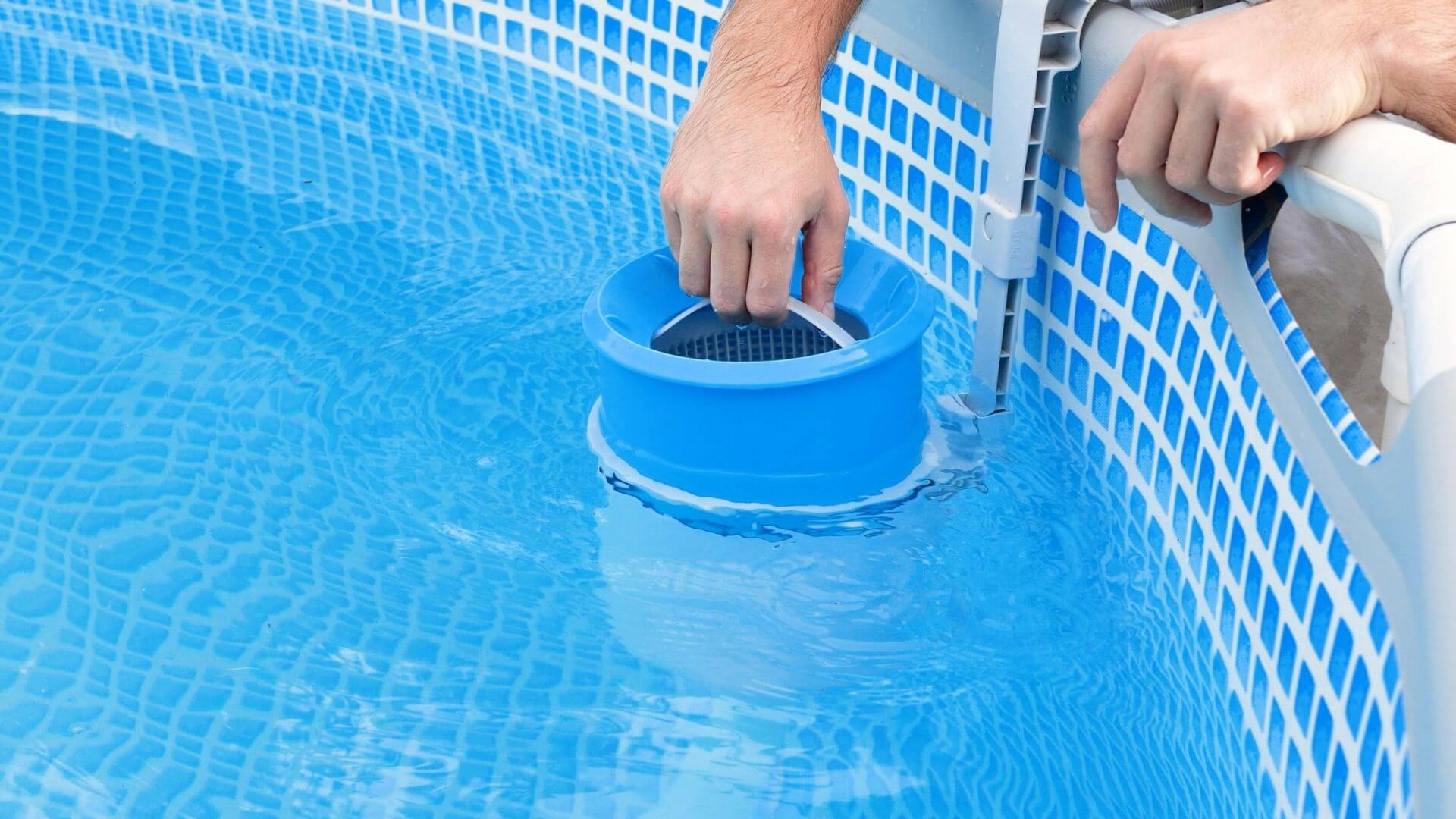
A pool filter plays a major role in keeping water clear, circulation steady and debris under control. When it is working properly, most homeowners barely think about it. Water moves through the system, suspended particles are captured and the pool stays easier to maintain. When the filter starts losing efficiency, however, the symptoms can be confusing because many of them look similar to problems caused by dirty water, poor circulation, clogged baskets or unbalanced chemistry.
That is why a pool filter should not be replaced based on one symptom alone. Cloudy water does not automatically mean the filter has failed, and high pressure does not always mean the filter tank needs replacing. In many cases, the problem can be resolved through cleaning, backwashing, replacing internal media or fixing another part of the circulation system.
The better approach is to look at how the filter performs after normal maintenance has been completed. If cleaning no longer restores normal pressure, debris is bypassing the filter, water clarity remains poor despite balanced chemistry, or internal components are visibly damaged, replacement may become a realistic option.
If your filter or circulation system is already showing persistent problems, Aqua Clear FL Pools provides pool equipment repair alongside weekly pool maintenance in Port St. Lucie.
How to Tell Whether Your Pool Filter Needs Cleaning or Replacement
Before assuming the filter is failing, start with the basics. A dirty filter often behaves like a damaged one because accumulated debris restricts water flow. Pressure may rise, return jets may feel weaker and the pool may take longer to clear. If the filter is cleaned or backwashed correctly and performance returns to normal, replacement is usually unnecessary.
The problem becomes more serious when servicing no longer restores normal operation. A cartridge filter may still show high pressure after cleaning because the filter material has deteriorated. A sand filter may continue allowing debris or sand back into the pool because internal components are damaged. A DE filter may leak media into the water through torn grids or a damaged manifold.
The filter should therefore be evaluated based on pressure, water flow, water clarity and the condition of the internal components. The age of the filter can be useful context, but performance matters far more than an arbitrary replacement schedule.
Persistent Cloudy Water Despite Balanced Chemistry
Cloudy water is one of the most common reasons homeowners suspect their pool filter, but filtration is only one possible cause. Low chlorine, high pH, developing algae, poor circulation, heavy swimmer use or recent storms can all reduce water clarity.
The filter becomes a stronger suspect when the water chemistry is properly balanced, the pump appears to be circulating normally and the pool still does not clear after adequate filtration time. In that situation, fine particles may be bypassing the filter or the filter media may no longer be capturing debris effectively.
For cartridge systems, this can happen when the pleats become damaged or permanently clogged. In sand filters, internal damage or deteriorated media may reduce filtration performance. DE filters may experience torn grids or damaged internal assemblies that allow fine material to pass through.
Before replacing the filter, make sure the chemistry side of the problem has been ruled out. Our Florida pool water chemistry guide explains how chlorine, pH, alkalinity, CYA and calcium balance can affect water clarity.
Filter Pressure Stays High After Cleaning
Filter pressure naturally rises as debris accumulates. After a proper cleaning or backwash, the pressure should usually return closer to the system's normal clean baseline. If pressure remains high immediately after servicing, the issue may be more than simple dirt accumulation.
A blocked return line, partially closed valve, internal filter restriction or damaged component may be preventing normal flow. The most useful comparison is not another pool's pressure reading. It is your own clean baseline. If the filter normally operates at one pressure after cleaning and suddenly remains much higher despite proper maintenance, that change deserves investigation.
Repeatedly cleaning the filter without identifying the cause may not solve the problem. If high pressure persists, the filter and surrounding circulation system should be inspected together.
Pressure Rises Again Soon After Cleaning
A filter that becomes dirty again very quickly does not automatically need replacement. Storm debris, algae, heavy swimmer use and suspended material can all load a filter faster than normal. However, if pressure rises again shortly after repeated cleanings when the pool is otherwise in normal condition, the filter media may no longer be performing correctly.
Cartridge elements can become damaged or embedded with contaminants that do not rinse out properly. Sand filters can develop internal issues or lose filtration efficiency. DE systems may have deteriorated grids or other damaged components.
The important question is whether the filter is becoming dirty because the pool is unusually dirty or because the filter itself is no longer functioning normally.
Weak Return Flow After the Filter Has Been Serviced
Weak return flow means the circulation system is not moving water as efficiently as it should. A dirty filter is one common cause, but if flow remains weak after the filter has been cleaned, other parts of the system need to be checked.
Start with the pool water level, skimmer basket and pump basket. Make sure valves are positioned correctly and confirm that the pump is operating normally. If those areas look fine, there may be a restriction inside the filter or elsewhere in the plumbing.
Persistent weak flow can also indicate a pump problem rather than a filter problem. This is why the filter should not be replaced based solely on reduced return pressure. A proper diagnosis should look at the complete circulation system before deciding whether the filter is actually at fault.
Debris Is Returning to the Pool
Visible debris returning through the jets is one of the strongest signs that something inside the filtration system is not working correctly. The type of material can provide useful clues. Sand appearing in the pool may indicate damaged laterals or internal sand-filter components. DE powder returning through the jets can point toward torn grids, a damaged manifold or another internal failure. Cartridge filters may allow debris to pass if the media is torn or badly damaged.
In these cases, cleaning alone is unlikely to solve the problem because the filter is no longer containing the material it is supposed to capture. The good news is that the entire filter does not always need replacement. Internal parts may be repairable or replaceable depending on the system's condition.
Visible Damage to Cartridge Filters
Cartridge filters rely on pleated material to trap debris as water passes through the system. Over time, those pleats can become flattened, torn or heavily contaminated. End caps can crack, support bands can break and the cartridge may lose its normal shape.
When the cartridge shows clear structural damage, continued cleaning will not restore its original performance. A torn cartridge may allow debris to bypass the filter, while collapsed or damaged pleats can restrict water flow.
This is usually a situation where the cartridge element itself should be replaced rather than the entire filter housing. If the tank, lid, clamps and other components remain in good condition, replacing only the internal cartridge may be all that is necessary.
Cartridge Filters No Longer Respond to Cleaning
A cartridge does not need to be visibly torn before it becomes ineffective. Oils, sunscreen, fine dirt and other contaminants can gradually become embedded within the filter material. At first, cleaning may restore pressure and flow. Over time, the improvement may become smaller and the cartridge may clog again much more quickly than before.
If thorough cleaning no longer restores normal operation, the media may have reached the end of its useful life. This is one reason fixed replacement schedules are less useful than performance-based decisions. Two identical cartridges can have very different lifespans depending on pool use, filter size, maintenance quality and environmental conditions.
Sand Appearing in the Pool
If sand starts collecting on the pool floor near the return jets, homeowners often assume that the sand itself needs replacing. In many cases, the real problem is an internal component such as a damaged lateral or standpipe.
Those components are designed to keep filter sand inside the tank while allowing water to pass through. If they crack or break, sand can escape into the circulation system and return to the pool. Replacing the sand without repairing the damaged component will not solve the problem.
The filter should be opened and inspected to determine whether the internal parts can be repaired. If the tank and other components are still in good condition, full filter replacement may not be necessary.
Sand Filter Performance Has Declined Over Time
Sand filters can remain effective for many years, but their performance can gradually change. Filter media may become channelled, contaminated with oils or less effective at capturing fine debris. Backwashing helps remove accumulated dirt, but it does not correct every long-term problem inside the filter.
If the pool consistently struggles with clarity despite balanced chemistry, proper circulation and normal backwashing, the sand bed may need deeper servicing or replacement. Again, this does not automatically mean the entire filter needs to be replaced. The condition of the tank, valve and internal components should all be considered before making that decision.
DE Powder Is Returning Through the Return Jets
A DE filter should retain its filtration media inside the system. If DE powder begins appearing in the pool, there is usually an internal problem. Torn grids, damaged manifolds, cracked components or poor sealing can allow DE to bypass the filter and return through the jets.
This type of problem is different from ordinary filter cleaning because the internal structure is no longer containing the media properly. In some cases, replacing the damaged grids or manifold is enough to restore normal operation. If several internal components are deteriorated or the tank is also in poor condition, replacing the entire filter may become more practical.
The Filter Tank Is Cracked or Structurally Damaged
A pool filter tank is a pressure vessel, so structural damage should be taken seriously. A cracked tank is not the same as a leaking O-ring, loose fitting or worn drain plug. Small external leaks may be repairable, but a damaged pressure-bearing tank may no longer be safe to operate.
Visible cracking, bulging, deformation or damage around clamps should be evaluated before the system is used again. Homeowners should not attempt casual patch repairs on a filter tank that operates under pressure. If structural damage is suspected, the pump should be turned off and the filter inspected professionally.
In this situation, replacement may be the safest and most appropriate option.
Water Keeps Bypassing the Filter
Some filtration failures are harder to see because the equipment may appear to be operating normally while water is bypassing the filter media internally. This can happen because of damaged seals, internal valves, broken components or poor assembly after servicing.
The pump may still run and water may still return to the pool, but fine debris is not being captured effectively. If the chemistry is balanced, circulation appears normal and water clarity remains poor, internal bypass should be considered.
This usually requires a closer inspection of the filter rather than another round of chemical treatment.
Multiport Valve Problems Can Look Like Filter Failure
Sand and DE filters often use a multiport valve to control operating modes such as filter, backwash, rinse and waste. When the valve becomes worn or damaged, it can create symptoms that appear to come from the filter itself.
Water may leak to the waste line during normal filtration, flow may be directed incorrectly or debris may bypass the filter media. In these cases, the filter tank may still be perfectly usable.
Repairing or replacing the multiport valve can restore normal performance without replacing the entire filter. This is another reason proper diagnosis matters before making a major equipment purchase.
The Filter Is Leaking
Leaks can develop around filter unions, gauges, drain plugs, valves, O-rings or the tank itself. Not every leak means the filter needs replacement. A worn O-ring or leaking gauge connection may be a relatively straightforward repair.
Structural leaks are different. If water is escaping through a crack in the tank, the pressure-bearing component may be compromised. Repeatedly tightening or patching the wrong area can make the situation worse, so the source of the leak should be identified properly.
The Filter Needs Cleaning Much More Often Than Before
A sudden change in cleaning frequency can tell you a lot about the filtration system. If the pool has recently experienced storms, algae or heavy debris, more frequent filter cleaning may be completely normal.
If there has been no major change in pool conditions and the filter suddenly needs servicing far more often, the media may be deteriorating or the system may no longer be working efficiently. Comparing current behaviour with the pool's usual pattern is often more useful than following a fixed maintenance calendar.
The Filter May Be Too Small for the Pool
Sometimes the problem is not failure but sizing. A filter that is undersized for the pool may become dirty quickly, require constant cleaning and struggle to maintain clarity during heavy use.
In that case, replacing the existing filter with another unit of the same size may not solve the underlying problem. When replacement becomes necessary, the new filter should be sized appropriately for the pool, pump and circulation system.
Equipment sizing should be considered as a complete system because changing one component can affect how the others perform.
Repairing a Pool Filter vs Replacing It
Many pool filter problems can be repaired without replacing the entire system. Cartridges, grids, laterals, valves, gauges, seals and other internal parts may be replaceable individually. If the tank and major components remain in good condition, repairing the damaged part is often the better option.
Full replacement becomes more reasonable when the filter tank is structurally damaged, several major components are failing, repairs are becoming frequent or the system still cannot filter effectively after proper servicing.
The decision should be based on condition, repair cost and performance rather than age alone.
Should You Replace a Pool Filter Because It Is Old?
Age by itself is not a strong reason to replace a filter that still performs properly. Different filter systems have different service lives, and maintenance quality, operating hours, water chemistry and Florida weather can all affect how quickly equipment deteriorates.
An older filter that maintains normal pressure, good flow and clear water may continue working effectively. Age becomes more relevant when it is combined with structural wear, repeated repairs, failing internal components or declining performance.
The question should be whether the filter is still doing its job reliably, not simply how many years it has been installed.
Can Poor Water Chemistry Damage a Pool Filter?
Yes. Pool equipment is exposed to the same water chemistry as the rest of the system. Consistently low pH can create corrosive conditions, while high pH and calcium imbalance can encourage scale formation.
Scale may accumulate on internal filter components, valves and other equipment, while corrosive water can affect metal parts and seals over time. Maintaining balanced water therefore supports both water quality and equipment longevity.
Our Florida pool water chemistry guide explains how chlorine, pH, alkalinity, CYA and calcium hardness work together.
Can a Dirty Filter Put Extra Strain on the Pump?
A severely restricted filter can reduce circulation and change how the pump operates. However, restrictions can also occur before the pump because of clogged baskets, low water level or suction problems.
That is why pump and filter problems often need to be evaluated together. If filter pressure becomes abnormal and return flow changes significantly, the cause should be identified rather than simply allowing the system to continue operating under poor conditions.
Routine filter maintenance and circulation checks can help reduce avoidable stress on the equipment. You can also read our broader Florida pool cleaning and filter maintenance guide for more information on how circulation and filtration work together.
When to Call for Professional Pool Filter Repair
Professional inspection makes sense when the filter develops structural damage, repeatedly operates outside its normal pressure range, sends media into the pool or continues performing poorly after proper servicing.
It is also appropriate when accessing the internal components requires procedures you are unfamiliar with. Pool filters operate under pressure, so the pump should be off and the system should be fully depressurised before the filter is opened.
Aqua Clear FL Pools provides pool equipment repair when filtration and circulation problems go beyond routine maintenance.
How Weekly Pool Maintenance Helps Catch Filter Problems Early
Regular pool maintenance makes equipment problems easier to recognise because there is a consistent baseline for how the pool normally behaves. Changes in filter pressure, return flow, water clarity and cleaning frequency become more noticeable when the system is checked regularly.
Weekly cleaning also helps prevent leaves and debris from overwhelming the filter, while routine chemistry maintenance can reduce scale and corrosive conditions. Weekly maintenance cannot prevent every filter failure, but it reduces the chance that neglect or unnoticed restrictions are responsible for the problem.
For ongoing care, Aqua Clear FL Pools provides weekly pool maintenance in Port St. Lucie.
Replace Your Pool Filter Based on Performance, Not Guesswork
A pool filter should be replaced when its condition and performance justify replacement, not because the pool becomes cloudy once or the equipment reaches a certain age. Start by ruling out normal maintenance issues. Clean or backwash the filter properly, empty baskets, confirm the pool water level, check circulation and make sure the water chemistry is balanced.
If performance returns to normal, replacement may not be necessary. If damaged media, leaking internal components or worn valves are responsible, those parts may be repairable. Replacement becomes more appropriate when the filter tank is structurally compromised, several major parts are failing or the system can no longer maintain normal filtration despite proper servicing.
If you are unsure whether your filter needs cleaning, repair or complete replacement, Aqua Clear FL Pools can help evaluate the system and determine the most appropriate next step.
Visit our pool equipment repair page or request a pool service quote to get started.


